The Vagus Nerve

The Vagus Nerve… It can be a Friend or a Foe… The choice is ultimately up to you. The vagus nerve is incredible! It regulates homeostasis in the body by helping to control heart rate and blood pressure. It helps you digest food by controlling gastrointestinal activity, including the speed of your digestion, as well as the production of enzymes and secretions. It even has a role to play in emotional regulation.

Are you constipated? The vagus nerve is involved. Got diarrhea? The vagus nerve plays a role. Anxiety? Yes, the vagus nerve has a part to play here as well.

Remember that song by Sting, “Every breath you take?” Well, since exhalation is independently controlled by the vagus nerve, it is literally “watching” (monitoring) your every breath like a crazy stalker! Okay… That was pretty cheesy… But the vagus nerve is THAT important!

The vagus nerve innervates all of the major organs and plays a huge role in how they function! It has the most extensive distribution of all the cranial nerves. Wandering from the brain to the colon, its cardiac branches act to slow the rate of heartbeat; its bronchial branch acts to constrict the bronchi (passages in the lower respiratory tract that allow air into the lungs). Its esophageal branches control involuntary muscles in the esophagus, stomach, gallbladder, pancreas, and small intestine, stimulating peristalsis (a wavelike sequence of muscular contraction and relaxation that passes food along the digestive tract) and gastrointestinal secretions.

The vagus nerve contains both afferent (sensory) and efferent (motor) fibers. This means it is responsible for not only carrying motor (function) signals to the organs it innervates, but it also carries sensory information from these organs back to the central nervous system (brain & spinal cord).

In addition, the vagus nerve is the major player in a primary neural reflex mechanism—the inflammatory reflex; which controls innate immune responses and inflammation.

inflammation

Inflammation is normally a local and temporary event. We get hurt, and we heal. Generally, after the injury has healed or the problem goes away, homeostasis (normality) is restored.

Sometimes however, disrupted innate immune regulation can result in excessive or chronic inflammation. This viscious cycle is seen in a broad range of conditions, from rheumatoid arthritis to fibromyalgia, CRPS, and much more; and you’d better believe the vagus nerve is directly involved. Like a bad roommate that shits the bed, plays heavy metal music at odd hours, and refuses to pick up after themselves.

Proper communication between the immune system and the brain is essential for controlling inflammation and maintaining homeostasis. When we talk about homeostasis, think about the condition of optimal function within the human body. It is the ideal state, where steady internal, physical, chemical, and social conditions are maintained. Sometimes something comes along and knocks us out of balance, and that is where a healthy working knowledge of the vagus nerve, and how it functions, can be very beneficial.

digestion

Poor vagal tone can cause a wide range of issues, not just limited to autoimmunity. Vasovagal syncope is a type of vagal-reflex syncope that occurs when the body's normal ability to control blood pressure doesn't work like it should, causing fainting. This is most commonly seen in people who pass out on the toilet, but another example could be people who faint at the sight of blood. The lower your vagal tone (or activation level), the less control you might have over your autonomic functions like heart rate or digestion. On the other hand, the higher your activation level (or "tone"), the better control you could have over these functions.

It may be obvious by this point, but vagal tone bears a direct correlation to the overall health of an individual. Vagal tone is a measure of cardiovascular function that facilitates adaptive responses to environmental challenge. It is directly associated with emotional and attentional regulation and has been conceptualized as a marker of sensitivity to stress. As such, a high vagal tone means a higher capacity to successfully manage stress, change, and challenges. It also means a higher capacity to adequately rest, recharge, and recover. Conversely, a low vagal tone means less tolerance for stress, change, and challenge while making it more difficult to rest, recharge, and recover. People with low vagal tone may feel stuck in a state of hyperarousal for a long period of time after a stressful incident has ended, or they may experience drastic fluctuations between states of being amped up and then very drained, or very angry followed by a drastic shift to feeling very sad and depressed.

rage 1

Poor vagal tone can result in emotional instability, and an inability to cope with stress, resulting in poorer quality of life and even overreaction to situations, including violent outbursts of rage.

Aside from pharmaceutical interventions, there are a number of ways to stimulate vagal tone for better mental, emotional, and physical health. We have a neurostimulation protocol at Pure Neurology which uses a gentle electrical current to increase vagal tone. It places the individual into a relaxed, meditative state, and has even been shown to increase Alpha brainwave activity and decrease Beta brainwave activity. Alpha waves are associated with a state of relaxation. Beta waves are associated with a state of alertness and mental activity, they are also heightened in states of stress and anxiety.

meditation

Two of the ways that I used to teach people to stimulate a vaso-vagal response as a Paramedic to control a fast heartrate, I have also taught to my CRPS clients as a rescue technique for pain flares. One is to place a cold wet rag around the neck, and another is to bear down like you are trying to have a bowel movement. While this may work in a pinch, it is not the same as training the vagus nerve. Studies have shown that cold exposure can stimulate the vagus nerve and greatly increase vagal tone. Not to worry, if ice baths aren’t your thing, there are other ways. You can sing or hum to increase vagal tone, and focusing on songs that bring you joy can elevate to your mood.

One of the main ways that you can stimulate healthy function of the vagus nerve is through deep, slow, diaphragmatic belly breathing. You can even learn to use deep breathing exercises and meditation to shift your focus away from stress or pain.

We teach this method in great detail at Pure Neurology, and when we have enough interest we will even do classes from time to time. However, this method can be practiced in the comfort of your own home, or wherever you can get alone in a quiet space for a few minutes. The results of performing this exercise correctly are very impactful.

TO BEGIN:

Schedule a time during the day when external distractions can be eliminated for a minimum of 10 - 15 minutes.

Next, find a quiet and comfortable place to begin the breathing exercises.

Either while sitting on a chair, or on cushions or lying down on a yoga mat or soft surface.

Sit or lie down comfortably, resting your hands below your navel.

Tune in to the way you breathe. Inhale and exhale naturally through your nose for a few minutes, noticing the slight rise and fall of your hand. Consider the way the air feels as it enters and exits your nostrils. Start to count silently forward (one, two, three...), then backward (...three, two, one), as you breathe in and out.

Gradually make each exhalation twice as long as each inhalation. Focus on breathing slowly and smoothly, humming each time you exhale. The slight vibration of the vocal cords can activate the vagus nerve resulting in increased parasympathetic nervous system activity.

To put it simply, it will calm you.

meditation 2

The 4-4-8 is a basic breathing technique designed to help you relax and focus. This technique is great if you feel stressed or tense. Using this technique can help you get rid of the tension so you can focus on what you need and want to do.

No matter what your goal is, deep breathing can help you focus, clarify your thinking, and feel less stressed as you move forward.

However, it is important to prolong your exhalation because exhalation is independently controlled by the vagus nerve.

This breathing technique has four easy steps:

1. Breathe in through your nose for a count of 4, taking the breath into your stomach.

2. Hold your breath for a count of 4 seconds.

3. Release your breath through your nose (NOT MOUTH) for a count of 8 seconds. Think of emptying a glass of water.

4. Without a break, breathe in again for a count of 4 seconds, repeating the entire technique three to four times in a row, then resume normal breathing and activity.

As you progress in this technique, you can work your way up to 3-4 minutes of continuous diaphragmatic box breathing, which will drastically increase your vagal tone and parasympathetic function.

This technique can be used to break the vicious cycle of chronic inflammation and anxiety, and as healthy blood flow and function is returned to the digestive organs, normal function is restored.

Focus on counting when breathing in, holding the breath, and out. You may find yourself feeling mildly light-headed after doing this. It is actually a sign that the technique is working and the sensation will quickly pass.

Feel free to do this as often as you want, but you may need to get used to it first. It doesn’t really matter if each count lasts an actual second; it only matters that you count evenly so the ratio of 4-4-8 is maintained.

In future posts, we will discuss progressive relaxation techniques which can be incorporated with diaphragmatic box breathing to further the effects.

But for now… Just breathe.
IMG_6128

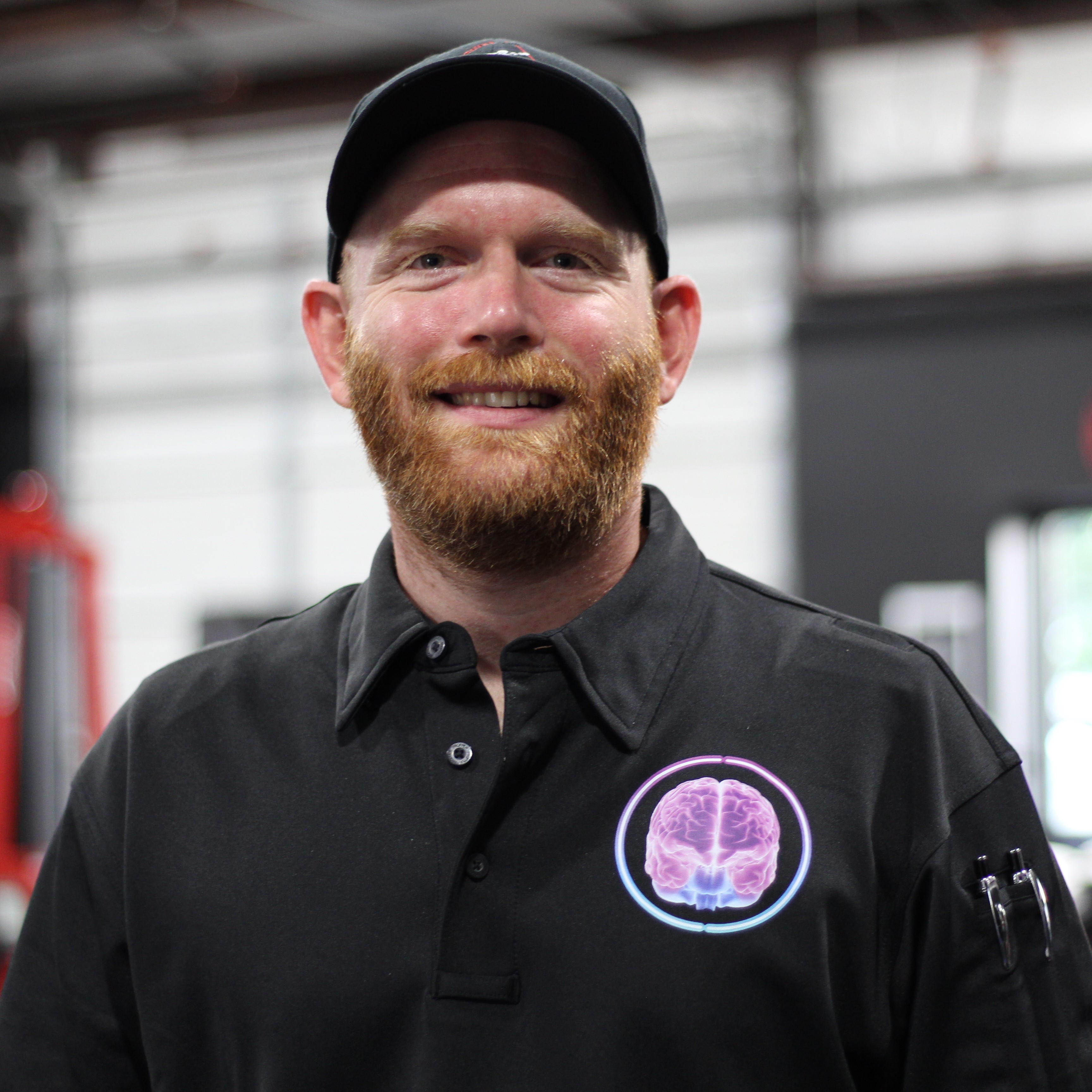
Hi, I'm Ian

I am the Founder and Director of Neuroscience at Pure Neurology, LLC. I retired from a career in EMS as a Paramedic, after a line-of-duty injury left me with a chronic nerve condition known as Complex Regional Pain Syndrome. Since my diagnosis in 2015, I have dedicated my life to researching this condition and how to improve it. I was faced with the prospect of amputation, which led me to research alternative treatments. I began working with functional direct-current neuromuscular stimulation in 2016, and I have been ever since. I currently advise NeuX Technologies out of Tampa, FL and work exclusively with NeuX Interactive Neuromuscular Stimulation. I hope that this blog is a valuable resource for you if you have an interest in learning more about INS.

DISCLAIMER: THIS WEBSITE DOES NOT PROVIDE MEDICAL ADVICE
The information, including but not limited to, text, graphics, images and other material contained on this website are for educational and informational purposes only. No material on this site is intended to be a substitute for professional medical advice, diagnosis or treatment. Always seek the advice of your physician or other qualified health care provider with any questions you may have regarding a medical condition or treatment and before undertaking a new health care or fitness regimen, and never disregard professional medical advice or delay in seeking it because of something you have read on this website or any of our affiliated media outlets or accounts.

A New Prescription for Health

As I write this blog post, the words are repeating in my mind…
“Si vis pacem, para bellum.”
“If you want peace, prepare for war.” The mind is a battlefield. I spent my whole life in church, hearing about demonic warfare as some kind of malevolent outside force. What I failed to realize was that the strongest attacks come from inside.

I’ve spent quite some time over the years attempting to raise awareness for Complex Regional Pain Syndrome. Ever since a bad day at work changed the course of my existence. The Buddha taught that existence is suffering, and that the root cause of suffering is our inability to accept life exactly as it comes to us. Some of us inevitably suffer more than others, but suffering is a part of life none the less.

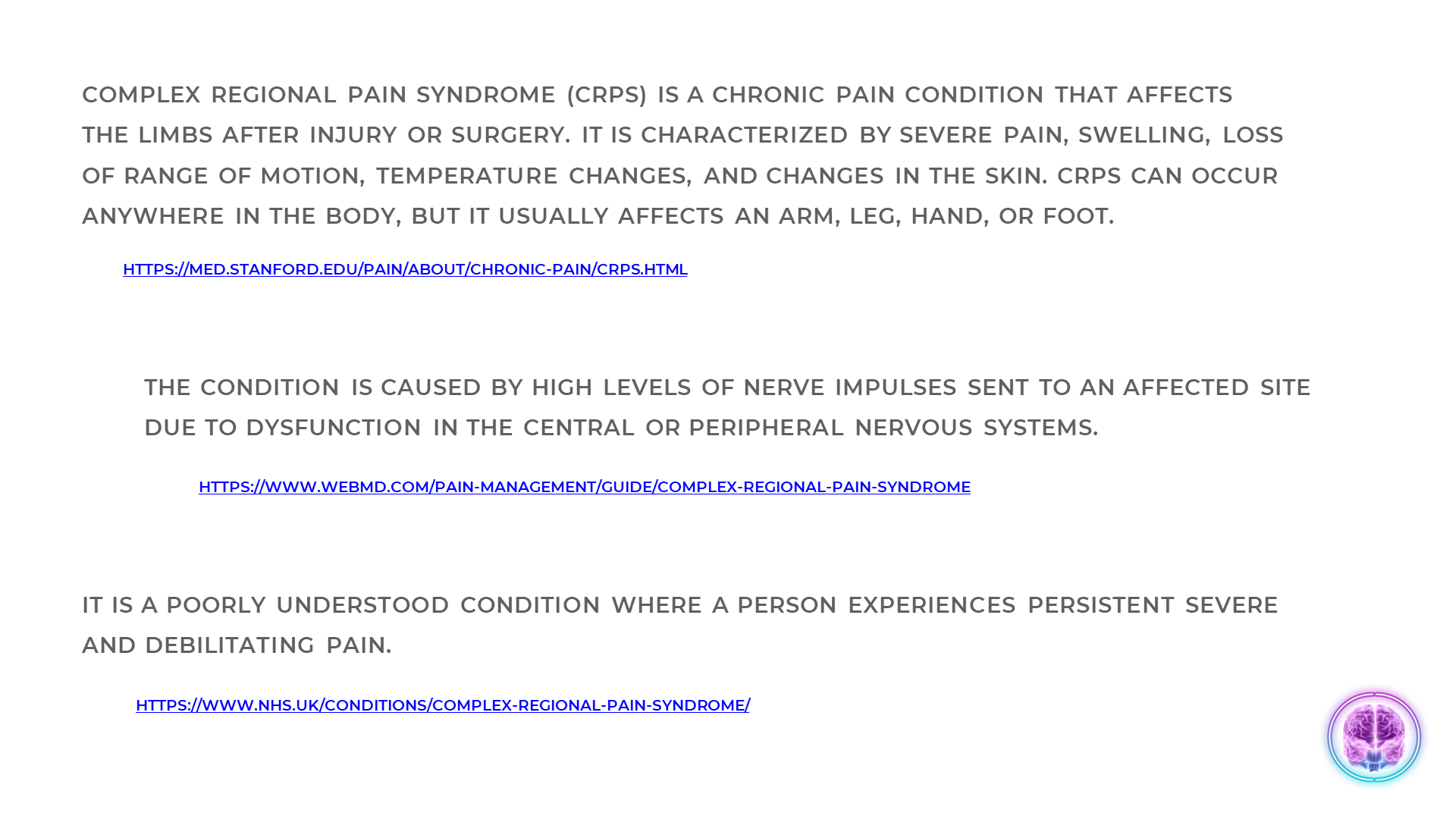
Also known as “The Suicide Disease”, CRPS is a chronic and progressive neurological condition that results in debilitating pain and wide-spread dysfunction. It starts in one area of the body after an injury, but in more than 70% of cases, it spreads to other areas according to research.

CRPS can spread in up to 70% of the cases. In a small number of cases (8-10%) it can become Systemic or full body.

Maleki J, LeBel AA, Bennett GJ, Schwartzman RJ. Patterns of spread in complex regional pain syndrome, type I (reflex sympathetic dystrophy). Pain. 2000;88(3):259-266. doi:10.1016/S0304-3959(00)00332-8

Slide10

CRPS is ranked as the most painful form of chronic pain that exists today by the McGill Pain Index. Since the day I was diagnosed, it has felt like a reality that I was unable to accept. There was a lot that happened during that time and prior to my injury, which contributed to the battle that I would inevitably face. It is very bizarre now to look on as an outside observer and see what has become of my life. Most days I feel like I am not doing enough, or that I am failing, but that could just be the CRPS and C-PTSD talking.

Screenshot (167)

Because the truth is… I honestly believe I’m doing my best.

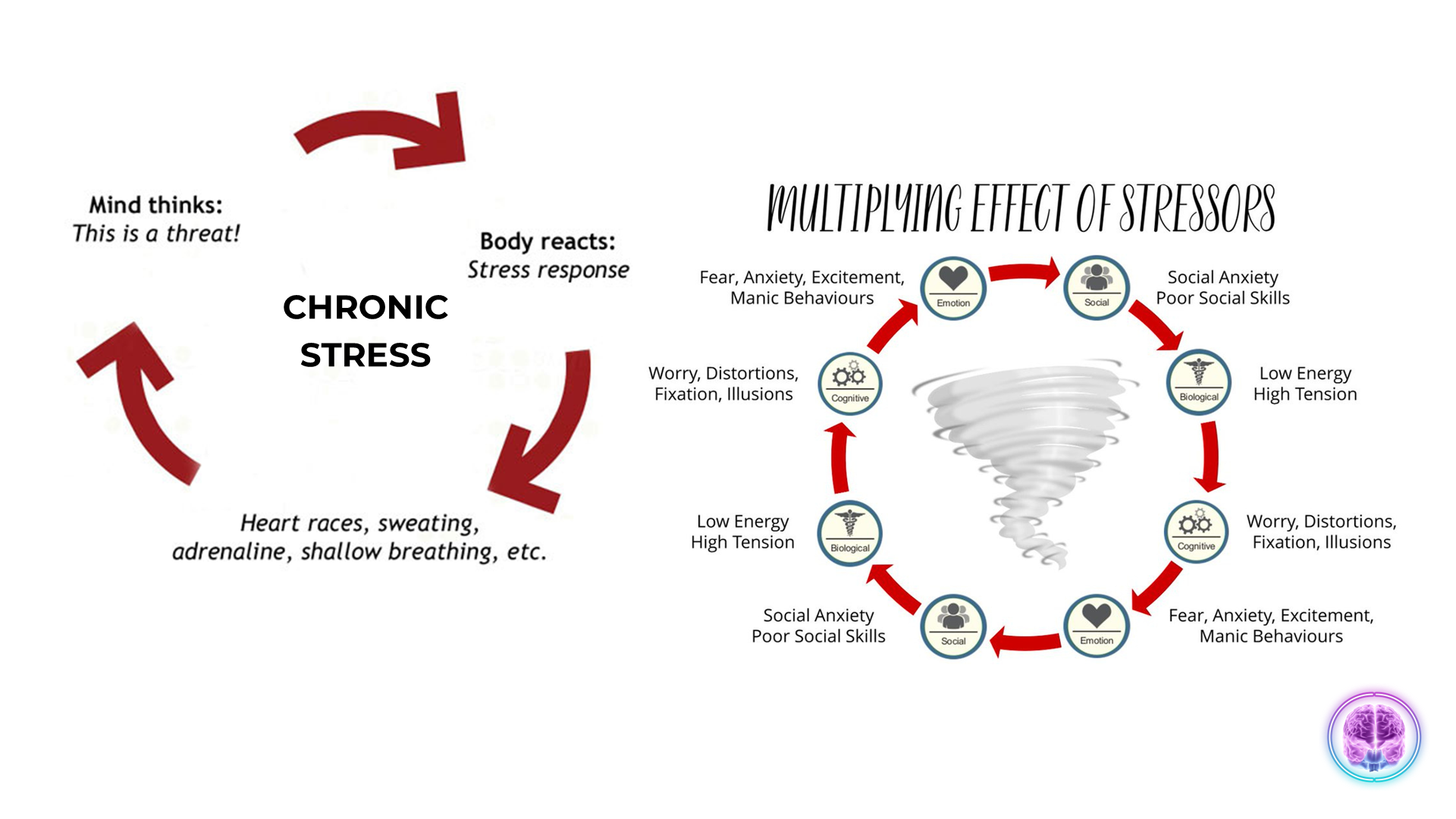
Living with the long-term effects of CRPS can seem impossible at times, because every stressor has the ability to wreak havoc on your entire life… This is partially due to a phenomenon that was termed “The Amygdala Hijack” by Daniel Goleman in his 1996 book “Emotional Intelligence: Why It Can Matter More Than IQ”.

An amygdala hijack is an emotional overreaction to stress that activates the fight-or-flight response and disables rational, reasoned responses. It occurs when any strong emotion, such as anger, fear, anxiety, or extreme excitement, impairs the prefrontal cortex, the part of the brain in the frontal lobe that regulates rational thought. The amygdala perceives a threat and triggers a fight-or-flight response before the cortical centers can fully assess the situation, essentially "hijacking" the rational response process. An amygdala hijack can happen to anyone and is usually triggered by a stressful situation, causing the amygdala to disable the frontal lobes and take control of emotional responses.

Slide23

The result of an amygdala hijack with CRPS is a hypervigilant, hyperarousal, Fight-or-Flight Stress Response that can produce symptoms as real and prevalent as that of a heart attack while being burned alive. The trigger can be anything, and with CRPS… Sometimes the demon takes full control.

It is not widely known which factors cause CRPS and which result from the ongoing painful disease, but there is a strong correlation between CRPS and PTSD. There is a concept that the effects of long-term negative emotions can manifest as sensory dominant stress in the body. Basically, that stress, whether brought on by mental, emotional, or physical trauma (like a broken arm), will always produce a physiological response in the body. Over time, if left unchecked, this can manifest in some pretty scary ways.

I grew up in a fairly dysfunctional home environment. The kind of environment where there is a story that is told about you to others that doesn’t reflect what actually happened. The type of broken home where happy memories are shrouded by screaming voices, harsh words, violence, and faces contorted by rage. I have never publicly talked about it because of the potential ramifications…

Most of my adult life I struggled with the effects of childhood trauma, after being told for decades that I didn’t remember the events correctly. A situation that is detrimental to a young developing mind. It causes you to question everything...

It wasn’t until I pulled the court records for myself that I could begin to trust my own reasoning. I did remember those things! They really happened... As I started to process and work through the situations in my mind, attempting to forgive, and ultimately to heal; I have been constantly reminded that others had it worse than me… And while that may be very true… At the end of the day, it was me who had to figure out how to live in my own head.

Life can be so very difficult... We may be trying our level best, and it feels like it is just never good enough... If that is where you're at, just know that you are not alone.

Despite a rough development with a heavy dose of hypervigilance, I made a career in the medical field and avoided becoming a complete statistic. I began volunteering as a Firefighter / EMT in 2005 and took a job with a local hospital system working in the ER. It was a good opportunity for me, and it offered me a chance at a career that I could advance in. The hospital was like its own microcosm. I got lost in the world of allopathic medicine, taking every opportunity that presented itself, and there was never any shortage of opportunities at hand.

Fire 1

By the time that I attended my Paramedic program, I had spent 5 years working overtime in the ER, and I had been cross trained for work in the Intensive Care Unit, Post-Coronary Care Unit, and the Laboratory. I so relished the opportunity to grow within my field, that I did not realize how the inability to process past traumas would compound with the difficult situations that I would have to face as an EMT and eventually as a Paramedic. That's the thing about chronic depression and trauma... You usually can't tell until it's too late, because the mask we learn to wear is very convincing. Even to those who know us best.

Squad

In 2015, things came to a head. I had taken a position with a Fire Department that seemed very promising. With a Paramedic license and many years of experience in the service, I was able to easily gain employment with the department. It was basically a walk-on opportunity.

Sure, I still had to test… But I had the job in a snap.

Well… You know what they say, “If it seems too good to be true, it probably is.” And it was...

I have never publicly talked about the level of hazing that I experienced at the department, because I have never wanted to deal with the backlash of opening my mouth. But I know now that others are struggling with similar situations, and I cannot stay silent any longer. Within a couple of weeks of being hired, myself and another experienced new-hire medic were having conversations about leaving the department while checking off trucks. It was truly an unfortunate situation; one which put me in a position of wondering if these guys would really have my back if something happened. The situation seemed untenable at best.

I was looking for options, but trying to do my best to fulfill what was required of me. Being extremely worn out from all the physical training we were having to do; I began to realize that certain people really got a kick out of hazing rookies. The word seems so dirty, like you are violating some unspoken code by even mentioning it, but that is exactly what it was. We were still running calls during this time; and as a new hire Paramedic, if a medical call came in on your shift, it was your call. Period. Long story short, many of my 24hr periods off between my shifts were spent writing reports from the day and night before, only to catch a little sleep and come back the next day to do it again. I found myself wondering what the hell possessed me to come and work at such a place. I was in a terrible situation, and it wasn’t about to get any better.

When my right shoulder finally let loose, I was pulling myself through a gable and my air pack was hung up on a truss. As I tried to work my way through the space I felt three distinct pops in my shoulder, followed by instant searing pain. It was fire and it was electricity, from the shoulder to my hand. When I got out, I couldn’t lift my arm. I remember an Officer getting in my face and yelling, “Are you hurt or are you injured?” I remember asking him what the difference was, and I was told to go and push a broom until I was finally taken by a Battalion Chief and several Members of the department and “coached” on how I was to fill out the paperwork for Worker’s Compensation.

This was in 2015, and I have never actually told this story because, frankly I have been terrified to publicly talk about it. But at some point, just like fighting your first structure fire, sometimes you must face your fears and put your own emotions aside so that you can help others. I really hope that telling this story will help someone. Otherwise, I feel like I am just drawing a giant bullseye on my back for nothing.

My situation got extremely complicated from here. I was not on the best terms with the other members of the department already, and being on light duty with a diagnosis of CRPS did not help matters any. I was accused of all manner of deviant behavior. The consensus at one point was that I had tied a tourniquet around my arm to produce swelling and discoloration.

2
1
6

Temperature changes are exceedingly difficult with CRPS. For that matter, so is vibration, noise, and just about everything else. I was told at one point that I had to wash all the trucks at Station 1 by hand in a snowstorm. At another point, I was told that I was to take the side-by-side and map out a large area for the Planning and Zoning Department. I was constantly reminded that I was on thin ice and that insubordination would not be tolerated. What do you do in a situation like that? I had bought a house… I had a mortgage… I was in tremendous pain, but I couldn’t lose this job… My life quickly became a living hell. The stress and pain became a vicious cycle, and the people who were supposed to be advocating for me began to reveal that they were actually working in opposition.

5

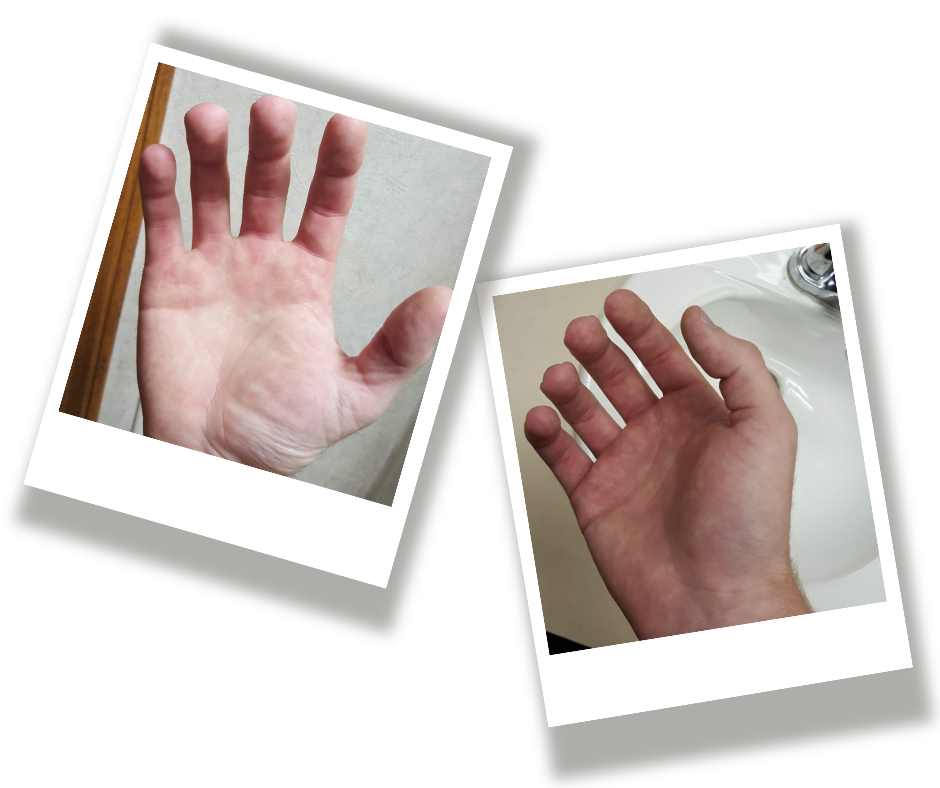
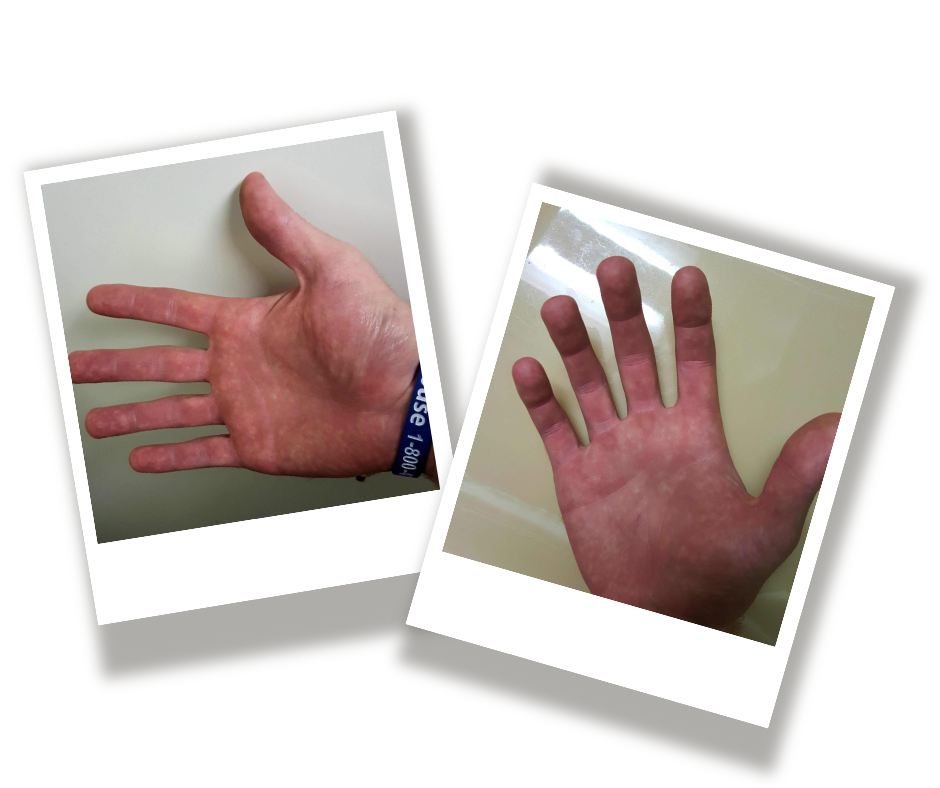
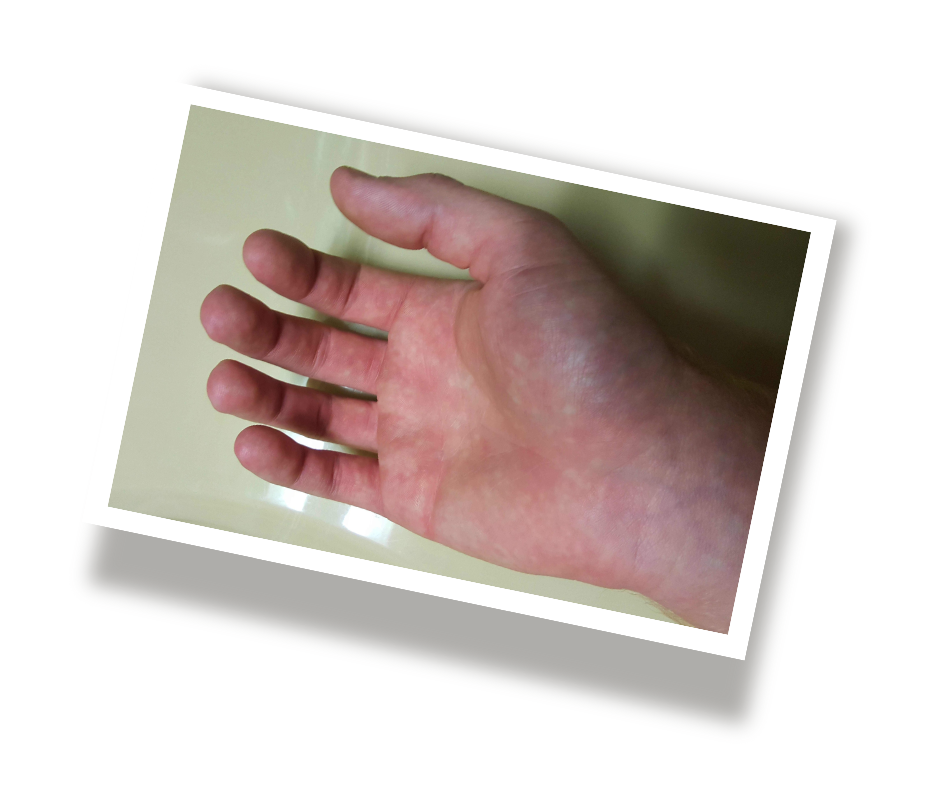
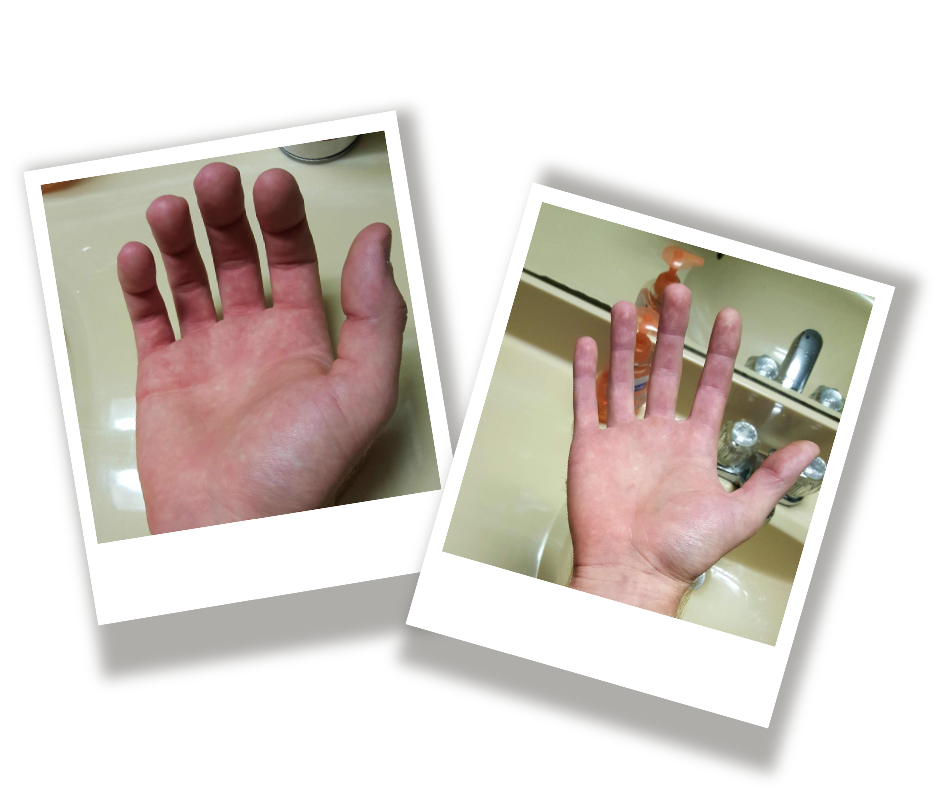
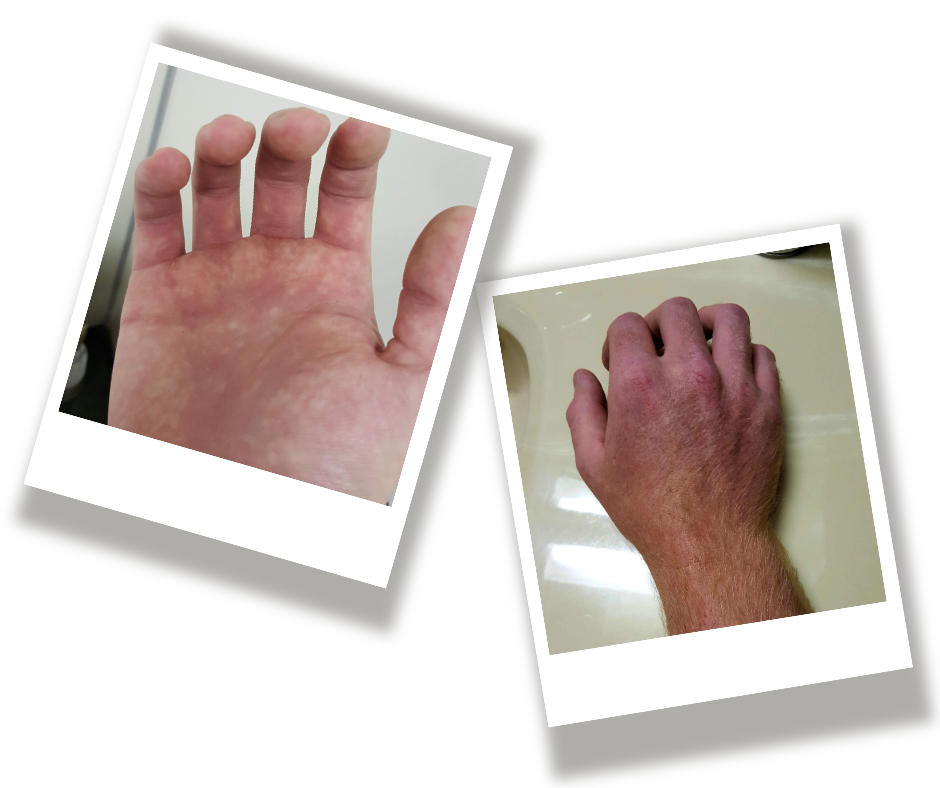
Some days the hand would get bight red and feel like I had just set it on top of a hot stove... Other days it would turn a dusky purple and grey, and it would feel like I had ice and broken glass under the skin...

7

I understand that I could easily be misconstrued as a disgruntled former employee who is bitter about losing a court case. However, that is not the case. I simply want people who have never had to live through something like this, to recognize that it can happen to anyone; and it does happen to people, almost every day…

3

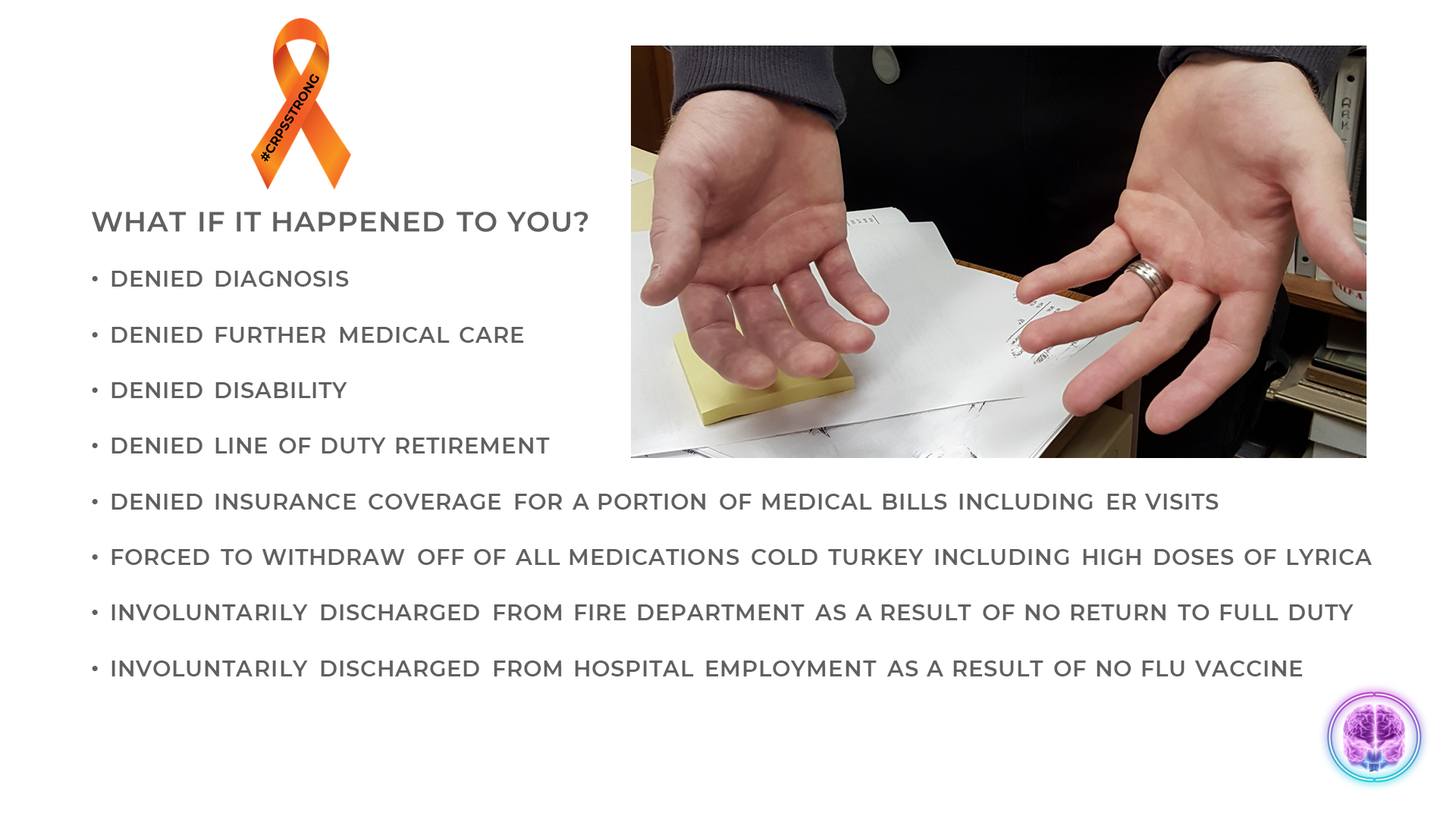
I had multiple doctors who agreed on a diagnosis, and a nurse case manager who was exceedingly unpleasant. She refused me timely refills on pain medication and Lyrica. I would get the call to pick up my prescriptions from the pharmacy, only to be told when I arrived that the refills were not approved. This was difficult to begin with, because I had to drive myself since my wife was working to support us while I couldn’t. I was forced to withdraw from the medications every time the refills weren’t approved, and I couldn’t afford them out of pocket. This back-and-forth situation went on for what seemed like an eternity as I was sent from one doctor to another with no clear path forward.

TALK ABOUT TERRIFYING!!!

4

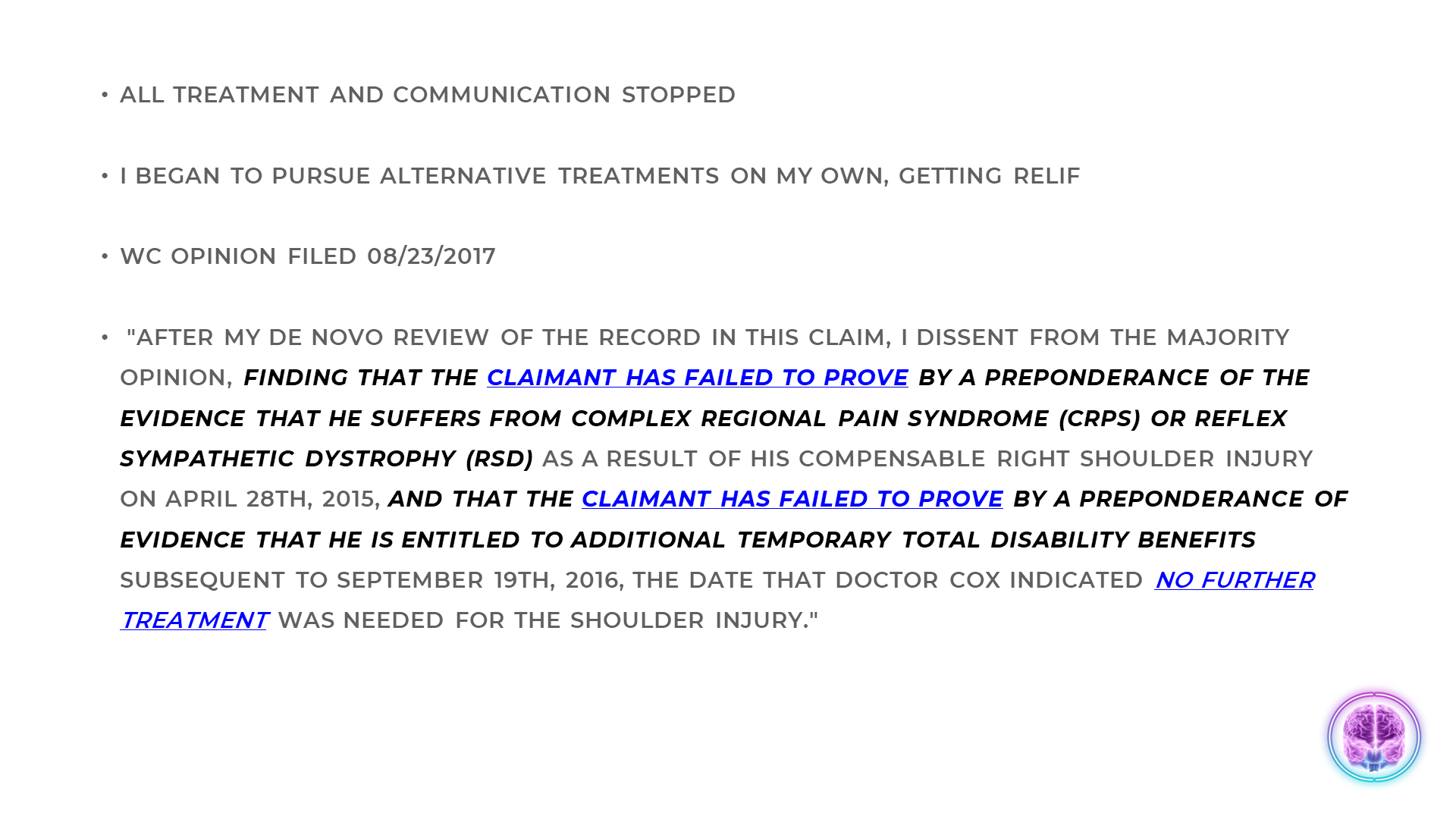
Eventually, a doctor would put an end to the cycle. He stated that the diagnosis of CRPS due to a shoulder injury was actually a misdiagnosis. Evidently 4 different doctors had misdiagnosed me, but this guy had the “most knowledge”… He diagnosed me with Atypical Reynaud’s Syndrome because I was honest about the fact that I used to smoke cigarettes. When I asked if he had ever seen Reynaud’s present in one arm, he replied, “Well, it’s an atypical presentation.” When I asked if Reynaud’s would explain the amount of pain that I was experiencing he replied, “I’m not convinced that you have pain.” He told me that Lyrica wasn't a good fit for me since it wasn't CRPS and he gave me Tramadol. FML I had to go through it again!

When I got a copy of the notes for the visit, I found a history and full set of “Normal” vital signs which were never taken. His records indicated that the swelling, mottling, and dystonia that I was experiencing were not present at the time of his examination. My wife sobbed as we left the doctor’s office and began our 3hr drive home. It was my word against his. This was the doctor who would eventually testify against me and get my case thrown out. I was sure that my life was over...

Slide11

It is a strange thing to have to be the one to prove that you are sick...

Slide13

We ended up seeing a primary care doctor and 2 more specialists who would agree on a diagnosis of CRPS after the fact, but the case was already lost. At this point, it was only about getting effective treatment… No matter what.

I began having a recurring dream that I put my 45 caliber in my mouth and blew my brains out in the back yard. It was incredibly vivid. Each time when the gun would send the back half of my skull and its contents across the yard, I would see myself from a top-down view, like I had left my body. Then I would see my wife running out to grab me. She would hold my lifeless body, screaming, sobbing, and shaking me. Those ragged sobbing cries in the deepest depths of my nightmare are the reason that I am here today. Most people would probably think that I am unstable, and not to be trusted with so much as a kitchen knife, but if you have ever lived with CRPS, you can relate exactly to what I am talking about right now.

Ask anyone with CRPS, and they will tell you a similar story. You become a pariah, an outcast…

Slide14

It is so interesting…. They say you can’t have good and bad days with CRPS. They tell you that if you don’t find a way to keep using the affected limb, you’ll get worse. Then they punish you for trying to do what they told you to do.

When I look at my court records next to my medical records, the documents tell a strikingly different story. The hard truth is that I was the one who had to figure out how to go on living without the help of the system. It would be dishonest of me to hide the fact that I considered taking my own life, and the important thing to recognize is that doesn’t make me mentally unstable. I honestly believe that anyone in my situation would struggle with the same thoughts, and if you are struggling with thoughts of suicide today as you are reading this; I just want you to know that you are important, and your life matters. So don't give up! There's no telling what you could be used for a year from now... Or 10 years from now....

I began to self-medicate with Cannabis when I couldn’t get my medications refilled. Quite frankly, it helped more than the pills. Lyrica put me in a state where I couldn’t even communicate. I knew what I wanted to say, but I couldn’t make the words come out of my mouth in a coherent sentence. With aphasia (sometimes called dysphasia), a person may be unable to comprehend or unable to formulate language because of damage to specific brain regions. I would only discover later that Lyrica and Gabapentin are a death sentence for developing new synapses in the brain. According to a Stanford Medical paper, there are long-term effects of brain damage, withdrawal, and permanent side effects associated with the medication that they had me on extremely high doses of. As of writing this, I discovered that there is a class action lawsuit against the drug company that makes Lyrica because of the severity of the long-term side effects.

I could go on… and on… and on… But this is not intended to be a rant. I am not out for blood. I don’t have an effigy erected in my closet with pentagrams, candles, and voodoo dolls. But that is not to say that I wasn’t seriously damaged by the whole ordeal. To be honest, I feel lucky to be alive and fully functional most days. The experience that nearly cost me my life has completely re-defined my purpose for living.

I have lost so many friends with CRPS to suicide over the years that I feel an unrelenting urge to let the world to know what it is that we actually go through! But more than that, I want the stigma surrounding the condition to change! I want doctors to treat patients with CRPS like more than sub-human individuals! I desperately want people with CRPS to know that there are options! Options that are not barbaric, and don’t require the removal of body parts!

After things went south with the work comp case, I had an opportunity to begin working with a Functional Neuromuscular Stimulator in a neurologically based chiropractor’s office. It was an interesting progression to say the least. The technology was amazing! While incredibly painful, I was able to shock myself with the device while performing exercise. This would keep the pain at bay for a time, and then I would get to go through the process all over again.

Stronger

Things with the job seemed positive at first. I was getting the opportunity to help a lot of people, and I didn’t feel alone anymore, because I was making a lot of friends who could relate exactly to what I was going through. The situation quickly deteriorated though. Although I was brought in as an Independent Contractor acting as a Consultant, I was treated as an employee everywhere but on paper. When I tried to voice my concerns about multiple issues, it became clear that the best thing for me to do was to leave the position.

I ended up walking away and waiting out a non-compete with the technology company so that I could maintain my integrity and distance myself from the doctor who was now trying to issue me a gag order. I walked away from severance pay and wages that were rightfully owed to me so that I could maintain my ability to tell my story. Even though I never signed that paper, it is a monkey that has never completely come off my back.

I ended up working with all the major technologies in the space, until I finally found a home with the company I am now partnered with as a Clinical Advisor to the Research and Development Board. The team is as wonderful as the technology. The device is not painful like others were, and I see that the individuals at the company have a genuine desire to wake up every day and make a difference in the world. It has been like a breath of fresh air!

I have been working with this type of functional stimulation consistently now since 2016. In that time I have used the technology both on myself and on others, and the effects have been nothing short of astounding. I have been in remission from CRPS since 02/02/2020; and while I still enjoy some “features” with the condition, I count my blessings every day that I am able to maintain a fairly normal quality of life.

My wife and I have opened a training center in Springfield, Missouri where we are working diligently to educate providers on the technology and share our story about how Interactive Neuromuscular Stimulation has changed my life, as well as the lives of so many others with CRPS and other conditions. We have been blessed to create a space where providers and patients can gather together and build rapport as knowledge and understanding of this terrible condition are increased on both sides of the aisle.

Collage 1

This all has seemed very overwhelming, and incredibly daunting at times, but Nikki Rowe has a quote that has always stuck with me. “Keep your expectations high, not because you are better than anyone else, but because you have experienced enough pain that you realize you won’t settle anymore.”

And that’s what I’m trying to do…

IMG_6128

Hi, I'm Ian

I am the Founder and Director of Neuroscience at Pure Neurology, LLC. I retired from a career in EMS as a Paramedic, after a line-of-duty injury left me with a chronic nerve condition known as Complex Regional Pain Syndrome. Since my diagnosis in 2015, I have dedicated my life to researching this condition and how to improve it. I was faced with the prospect of amputation, which led me to research alternative treatments. I began working with functional direct-current neuromuscular stimulation in 2016, and I have been ever since. I currently advise NeuX Technologies out of Tampa, FL and work exclusively with NeuX Interactive Neuromuscular Stimulation. I hope that this blog is a valuable resource for you if you have an interest in learning more about INS.

DISCLAIMER: THIS WEBSITE DOES NOT PROVIDE MEDICAL ADVICE
The information, including but not limited to, text, graphics, images and other material contained on this website are for educational and informational purposes only. No material on this site is intended to be a substitute for professional medical advice, diagnosis or treatment. Always seek the advice of your physician or other qualified health care provider with any questions you may have regarding a medical condition or treatment and before undertaking a new health care or fitness regimen, and never disregard professional medical advice or delay in seeking it because of something you have read on this website or any of our affiliated media outlets or accounts.